Logitech PRO X 2 Lightspeed
Logitech G's pro-designed wireless headset with 50mm graphene drivers, Lightspeed 2.4GHz plus Bluetooth and 3.5mm, up to 50 hours of battery and a detachable cardioid mic.
Specifications
| Drivers | 50mm graphene, neodymium magnet |
|---|---|
| Frequency Response | 20Hz-20kHz |
| Impedance | 38 ohms |
| Sensitivity | 87.8 dB SPL @ 1 mW & 1 cm |
| Microphone | Detachable cardioid electret condenser, 100Hz-10kHz, Blue VO!CE |
| Connectivity | Lightspeed 2.4GHz (up to 30 m), Bluetooth, 3.5mm wired |
| Battery Life | Up to 50 hours |
| Weight | 345 g |
| Earpads | Memory foam leatherette plus cloth set included |
| Frame | Aluminum fork, steel headband |
| Software | G HUB |
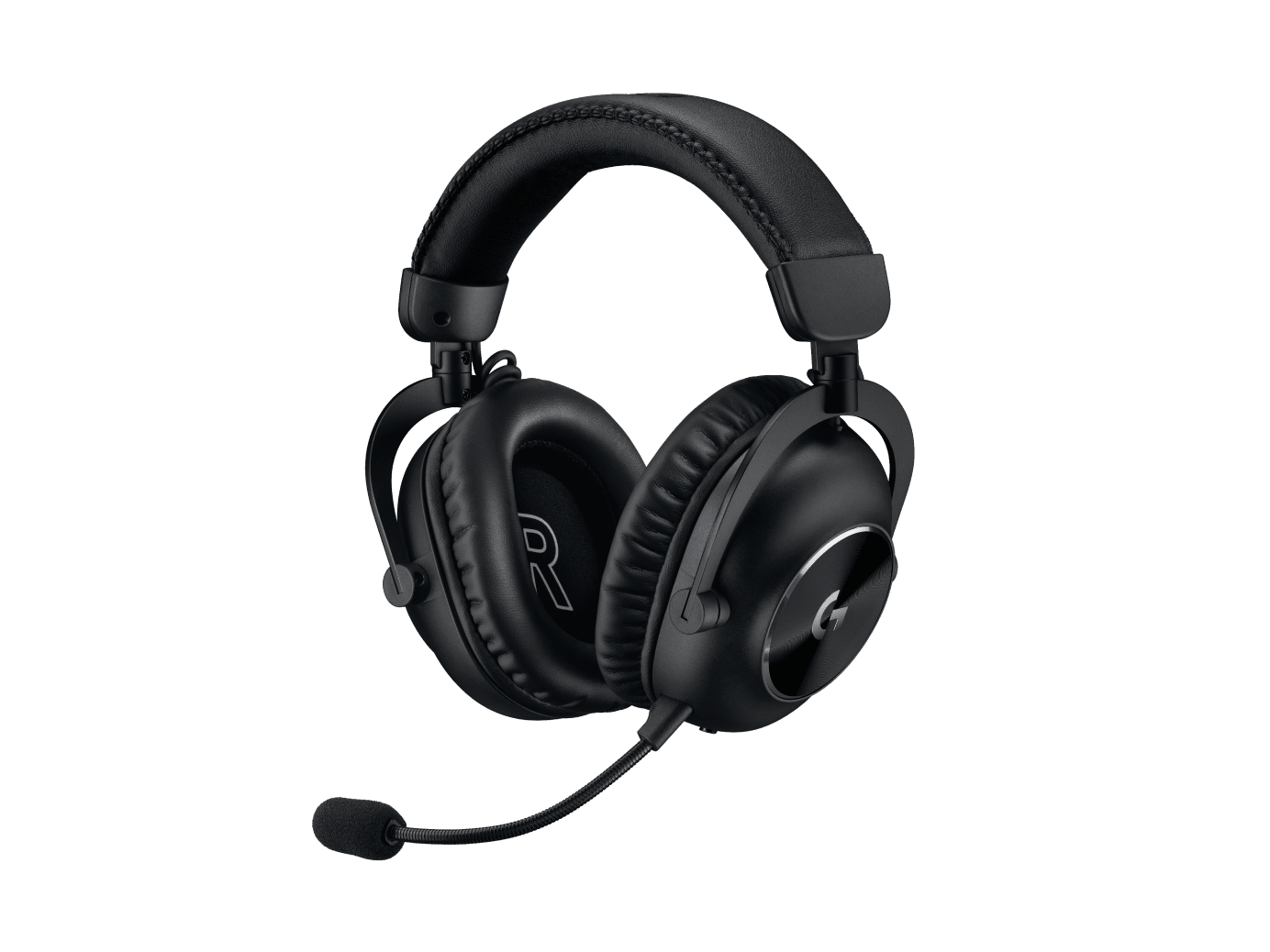
The Logitech G PRO X 2 Lightspeed is a wireless gaming headset that Logitech G says was designed with professional players, and its spec sheet reads accordingly: 50mm graphene drivers, a Lightspeed 2.4GHz wireless link with a range of up to 30 metres, up to 50 hours of battery life, a detachable cardioid microphone and a choice of leatherette or cloth earpads. It also adds Bluetooth and a 3.5mm wired connection, so it is not limited to the dongle on your desk. This page explains what those features mean in practice, what to read carefully in the numbers, and who gets the most from a headset of this kind.
Graphene drivers: what the label means
The headset uses 50mm drivers with graphene, and Logitech describes graphene as a material that delivers enhanced audio response, reduced distortion and clear detail, so that players can hear the whole soundscape of a game, from footsteps to distant actions. Marketing language aside, the practical relevance is that a driver's diaphragm should be light, stiff and well damped, and graphene coatings are a way of achieving that. The specification page lists a neodymium magnet, a frequency response of 20Hz to 20kHz and an impedance of 38 ohms. For an explanation of how driver size, materials and tuning affect what you hear, our article on headset drivers and soundstage is a good companion.
One number deserves care: the sensitivity is listed as 87.8 dB SPL at 1 mW and 1 cm. Other headset makers list sensitivity at different reference points and with different methods, which is why you may see figures above 100 dB elsewhere. These values are not directly comparable between brands, so do not treat a lower number as a sign of a quieter or weaker headset. The way to judge loudness is to listen.
Lightspeed wireless, Bluetooth and wired
Logitech's Lightspeed is the 2.4GHz wireless technology that sits behind many of its gaming products. Here it offers a range of up to 30 metres (98 feet) and up to 50 hours of battery life on a charge, according to Logitech. The USB-A Lightspeed adapter in the box has a 3.5mm port. For situations where you want to connect to a phone, tablet or laptop without the dongle, Bluetooth is available, and there is a 3.5mm cable for wired use, which is useful when the battery is low or when a device only has a headphone jack. The headset charges through a USB-C cable (a 1.8-metre USB-A to USB-C cable is listed in the box). Logitech's product title also describes the headset as 7.1, meaning virtual surround sound in the software.
The microphone
The detachable boom microphone has a cardioid, or unidirectional, pickup pattern, meaning it favours sound from in front and reduces sound from the sides and back. It is an electret condenser type with a 6mm capsule and a frequency response of 100Hz to 10kHz. Logitech pairs it with Blue VO!CE technology, a software feature for reducing pops and hisses and shaping the voice through the G HUB software. In the box you also get a foam windscreen for the microphone. A cardioid pattern is a sensible choice for a shared room because it hears less of what happens beside and behind you, though it is not a replacement for a proper external microphone if you record voice professionally.
Comfort and build
Logitech lists an aluminium fork and a steel headband, with a rotating hinge that lets the earcups sit at comfortable angles. The pads are soft memory foam, and the headset ships with two sets: leatherette pads that isolate outside noise, and breathable velour-style cloth pads that many people find cooler in long sessions. The headset weighs 345 grams (12.17 ounces) and measures roughly 189 mm high, 176 mm wide and 95 mm deep. That weight puts it in the middle of the wireless gaming range: a good metal frame comes with some heft, so if you are sensitive to weight, try it for an hour before you decide. A soft storage bag is included.
What is in the box
The package contains the headset, the memory foam leatherette earpads, the extra memory foam cloth earpads, the USB-A Lightspeed wireless adapter with a 3.5mm port, the detachable microphone with a foam windscreen, a USB-A to USB-C cable, a 3.5mm cable, a soft storage bag and user documentation. Having both a Lightspeed adapter and a 3.5mm cable means you can start using it on almost any device on day one.
Software
Logitech's G HUB software is where you adjust the equaliser, microphone processing and Blue VO!CE effects. It is optional, but you will need it to get the most from the headset. As with any headset that relies on software, check that G HUB runs on your operating system before you buy.
Price and how it compares
On the Logitech G US page we read, the headset was listed at 229.99 USD, which puts it in the premium range. Within that range, the Razer BlackShark V2 Pro is another esports-oriented wireless headset, with a lighter feel and a different microphone approach. The Corsair Virtuoso RGB Wireless XT offers simultaneous 2.4GHz and Bluetooth connections but a much shorter battery life of about 15 hours. If you want a base station with swappable batteries and a control dial, look at the SteelSeries Arctis Nova Pro Wireless. For guidance on how much you should spend and which features matter for calls and games, read our headset buying guide, and browse the full headsets category.
Who it suits
The PRO X 2 Lightspeed is a good match for competitive players who want long battery life, a long wireless range and a microphone that hears them clearly without picking up the entire room. It also serves people who work and play at the same desk, as the Bluetooth connection makes it easy to pick up a phone call. It is less of a fit if you want active noise cancellation, since the specifications do not list any, or if you dislike a headset with some weight. For a wired-only setup, a cheaper headset will do the same job.
Bottom line
This is a well-specified wireless headset with graphene drivers, three connection methods, a strong battery rating and two sets of earpads. Read the sensitivity number for what it is, try the pads that suit your head, and decide whether you need the premium price. If you do, it is a comfortable, capable headset for long sessions.